Introduction
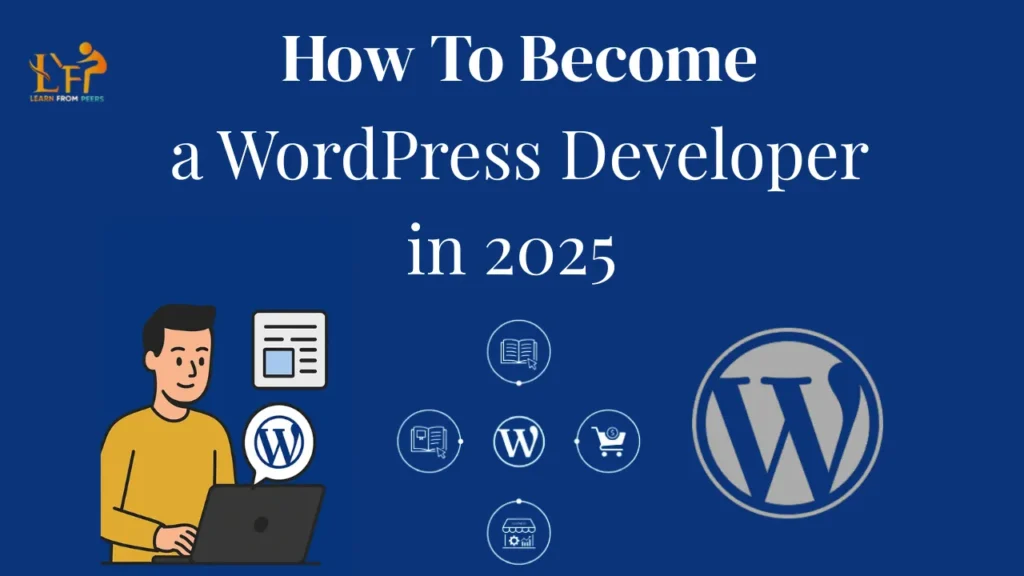
In today’s digital-first world, WordPress powers more than 40% of all websites on the internet. From personal blogs to e-commerce platforms and corporate websites, it has become the most trusted content management system (CMS). The growing popularity of WordPress has also created a massive demand for professionals who can build, customize, and manage WordPress websites. That is where WordPress courses and the journey to becoming a WordPress developer come in. This blog will guide you through everything you need to know about WordPress courses, the skills required, and the career opportunities waiting for you.
What is WordPress and Why is it Important?

WordPress is an open-source platform that allows anyone to build websites without requiring advanced coding skills. With its thousands of themes and plugins, WordPress offers flexibility, scalability, and user-friendliness unmatched by other CMS platforms. Its importance lies in three main factors: ease of use, adaptability for different industries, and the ever-growing demand for skilled developers.
Why Choose WordPress Courses?

Many beginners try to learn WordPress by experimenting, but structured WordPress courses save time and provide a solid foundation. A course ensures you learn not only how to create websites but also how to design, secure, and optimize them. With courses, you gain:
-
- Step-by-step knowledge from installation to customization
-
- Hands-on training with themes and plugins
-
- Insights into SEO and website performance
-
- Exposure to advanced development practices
What Do WordPress Courses Cover?

A good WordPress course usually includes:
-
- Basics of setting up WordPress
-
- Working with themes and customizing layouts
-
- Exploring essential plugins for security and performance
-
- Learning SEO best practices
- Advanced modules: creating custom themes, plugins, and using coding languages like PHP, CSS, and JavaScript
Who is a WordPress Developer?
A WordPress developer is a professional who builds and customizes websites on WordPress. Unlike casual users, developers understand coding and design principles. They can create custom themes, build unique plugins, troubleshoot problems, and optimize websites for speed and security. Their work ensures that WordPress sites look great, perform well, and meet the client’s needs.
Essential Skills for a WordPress Developer
To grow as a developer, you need a strong mix of technical and creative skills:
-
- Coding knowledge: HTML, CSS, JavaScript, and PHP
-
- Theme development: Designing and customizing themes
-
- Plugin development: Adding new features to WordPress
-
- SEO and optimization: Ensuring websites rank well and run smoothly
-
- Problem-solving: Debugging errors and improving performance
Benefits of Becoming a WordPress Developer

Choosing this career path comes with several advantages:
-
- Freelance opportunities: Work with clients worldwide on projects of your choice
-
- Full-time jobs: Digital agencies, startups, and IT companies hire developers regularly
-
- Entrepreneurship: Start your own web solutions company or agency
-
- Global demand: Businesses in every country need WordPress expertise
-
- Continuous learning: The WordPress ecosystem keeps evolving, offering endless learning opportunities
Career Growth as a WordPress Developer
A career in WordPress development is versatile. You can start as a beginner building small websites, then move into custom theme and plugin development. Later, you can specialize in areas like e-commerce (WooCommerce), performance optimization, or enterprise-level website development. As your expertise grows, your earning potential also increases.
FAQs
Q1: Do I need coding knowledge to start WordPress courses?
No, beginners can start without coding. However, coding knowledge is essential to grow as a professional WordPress developer.
Q2: How long does it take to become a WordPress developer?
With consistent practice, basics can be learned in weeks, while advanced developer skills may take 6–12 months.
Q3: Can I get freelance projects after learning WordPress?
Yes, many freelancers earn by building and maintaining WordPress websites for clients worldwide.
Q4: Is WordPress only for blogs?
No, WordPress powers online stores, corporate sites, educational platforms, and portfolios.
Conclusion
Whether you are just starting with WordPress courses or aiming to grow as a professional WordPress developer, the opportunities are limitless. By building the right skills and practicing consistently, you can create professional websites that not only look great but also deliver real value. WordPress development is not just a technical skill—it’s a career path filled with creativity, growth, and global opportunities.